Introduction
Mahal Marauder Master is not just another game—it’s a love letter to India’s glorious past, crafted with passion by the team at Daman Games, one of India’s fastest-growing gaming studios. Launched on 15th August 2023 (coinciding with India’s Independence Day, a nod to national pride), the game quickly became a sensation in the desi gaming community, crossing 5 million downloads within the first month of its release.
Blending action-adventure mechanics with deep historical context, Mahal Marauder Master transports players to a fictionalized version of medieval India—a time when Rajput kings ruled with honor, Mughal emperors patronized art and architecture, and folklore thrived in every village square. Unlike many international games that trivialize Indian culture, this title prioritizes authenticity, with developers collaborating with historians, archaeologists, and cultural experts to ensure every detail—from palace architecture to weapon design—stays true to India’s heritage.
Available on Android, iOS, PC, and macOS, Mahal Marauder Master caters to a wide audience—whether you’re a mobile gamer looking for quick quests during your commute or a PC enthusiast seeking immersive open-world exploration. The game supports multiple Indian languages, including Hindi, Tamil, Telugu, Bengali, Kannada, and Malayalam, making it accessible to gamers across the country.
At its core, Mahal Marauder Master is about dharma (duty), kshatriya (valor), and jnan (wisdom). Players take on the role of a guardian tasked with protecting sacred artifacts from evil forces, all while navigating the complex political landscape of medieval India. It’s a game that entertains, educates, and celebrates Indian culture—proving that desi games can stand toe-to-toe with international titles.
Gameplay
Mahal Marauder Master’s gameplay is a seamless blend of exploration, combat, puzzle-solving, and stealth—all rooted in Indian aesthetics and mechanics. The developers have gone to great lengths to avoid the “copy-paste” formula of Western games, instead infusing desi elements that make the experience feel fresh and authentic.
Core Mechanics
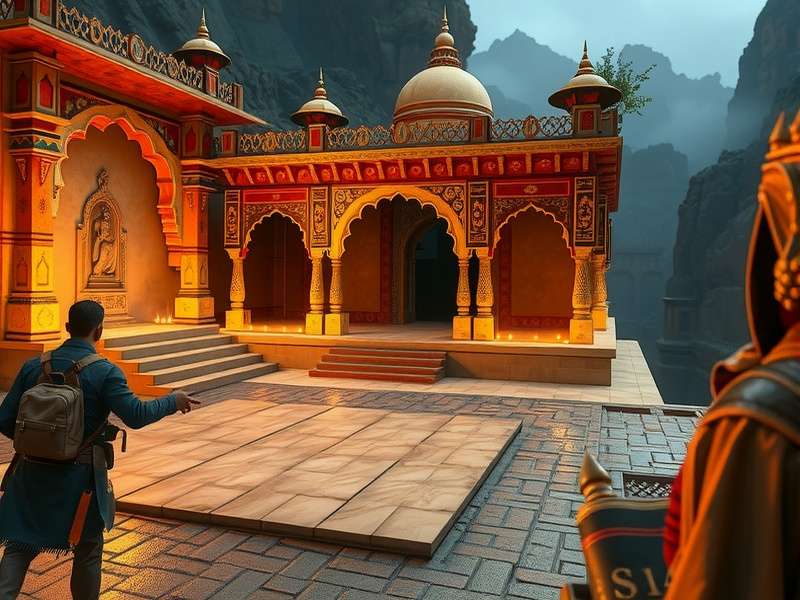
At the heart of the game is palace exploration. Players get to wander through meticulously recreated mahals and forts, inspired by real-life landmarks like the Red Fort (Delhi), Hawa Mahal (Jaipur), Mehrangarh Fort (Jodhpur), and Padmanabhaswamy Temple (Thiruvananthapuram). Each location is filled with hidden passages, secret chambers, and interactive elements—for example, you might need to solve a puzzle involving traditional Indian musical instruments to unlock a door, or use a palki (palanquin) to reach a high platform.
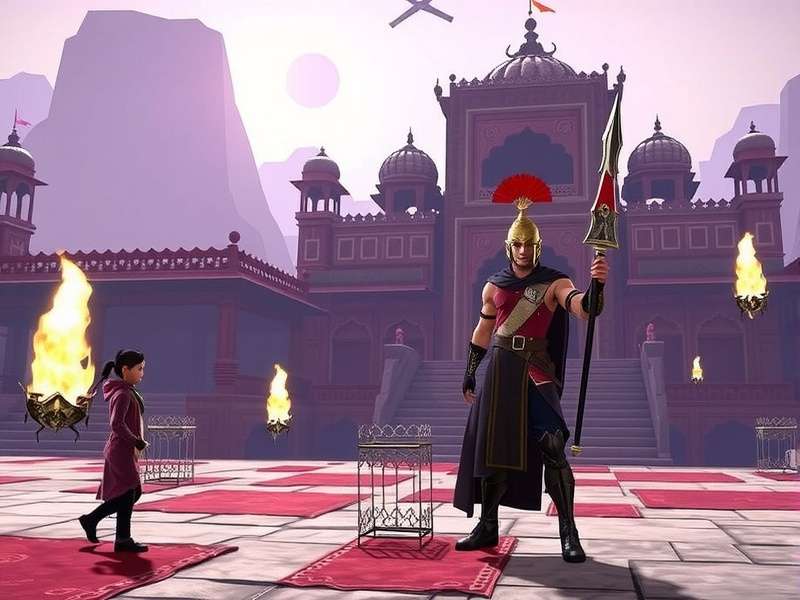
Combat in Mahal Marauder Master is fast-paced yet strategic, with a focus on traditional Indian weapons. Players can wield a talwar (curved sword), khukuri (Gurkha knife), dhanush (bow and arrow), lathi (staff), and even chakra (discus)—each with unique strengths and weaknesses. The combat system also includes kalarippayattu (Kerala’s ancient martial art) moves, which can be unlocked as you progress through the game. Unlike many action games that rely on button-mashing, Mahal Marauder Master rewards timing and precision—for example, a well-timed parry with a talwar can disarm an enemy, while a chakra throw can take down distant foes.
Palace Exploration
Explore 15+ historical mahals and forts, each with unique challenges and secrets.
Traditional Combat
Wield 8+ Indian weapons and master kalarippayattu moves for epic battles.
Desi Puzzles
Solve puzzles inspired by Indian mythology, math, and folk art.
Stealth Gameplay
Use shadows, ghillie suits (made from Indian fabrics), and distractions to avoid enemies.
Puzzle Design
Puzzles are a key part of Mahal Marauder Master, and they’re designed to be both challenging and educational. Many puzzles draw inspiration from Indian mythology—for example, you might need to arrange statues of the Pandavas (from the Mahabharata) in the correct order to open a vault, or solve a riddle based on a story from the Ramayana. Other puzzles focus on Indian math and science, such as using vyakarana (Sanskrit grammar) to decode a message or calculating distances using ancient Indian units of measurement.
One of the most popular puzzles in the game is the “Rangoli Challenge,” where players must recreate a traditional rangoli pattern using colored powders to unlock a hidden passage. The puzzle not only tests spatial awareness but also introduces players to the art of rangoli, a beloved Indian tradition. Another fan favorite is the “Vedic Math Puzzle,” which requires solving quick math problems using Vedic techniques to disable a trap—proving that learning can be fun!
Game Modes
Story Mode (Single-Player)
The main campaign of Mahal Marauder Master, Story Mode takes players on an epic journey across India. Spanning 25 chapters, the mode follows the protagonist as they travel from the snow-capped mountains of Uttarakhand to the lush backwaters of Kerala, facing off against villains and uncovering ancient secrets. Each chapter ends with a boss battle—fighting mythical creatures like the rakshasa (demon) or powerful villains like the corrupted nobleman, Raja Suraj Singh.
Story Mode also includes side quests, which allow players to learn more about Indian culture. For example, a side quest might task you with helping a village celebrate Diwali by collecting flowers for rangoli, or assisting a pandit in translating an ancient Sanskrit manuscript. Completing side quests rewards players with unique weapons, armor, and cosmetics—like a saffron turban or a silk kurta inspired by Rajput royalty.
Controls & Accessibility
Mahal Marauder Master’s controls are designed to be intuitive, whether you’re playing on mobile or PC. On mobile, the game uses a virtual joystick for movement, with buttons for attacking, jumping, and using items. The controls can be customized—you can adjust the size and position of the buttons to suit your preferences. For PC players, the game supports both keyboard and mouse, as well as game controllers.
Accessibility is a top priority for Daman Games, and Mahal Marauder Master includes a range of features to make the game accessible to all players. These include adjustable difficulty levels (from “Novice” to “Legendary”), text-to-speech for in-game dialogue, colorblind mode, and the ability to slow down combat for players who need more time to react. The game also includes a “Cultural Glossary,” which defines desi terms (like pandit, rakshasa, and kalarippayattu) for players who may not be familiar with Indian culture.
Plot
Set in 16th-century India, during a time of political upheaval and cultural flourishing, Mahal Marauder Master’s plot weaves together history, mythology, and folklore to create a compelling narrative that keeps players engaged from start to finish. The story is centered around Arjun Varma, a young Rajput warrior who is the last in a line of guardians tasked with protecting the “Jewels of Bharat”—five sacred artifacts that hold the power to maintain balance in the world.
Act 1: The Theft of the Jewels
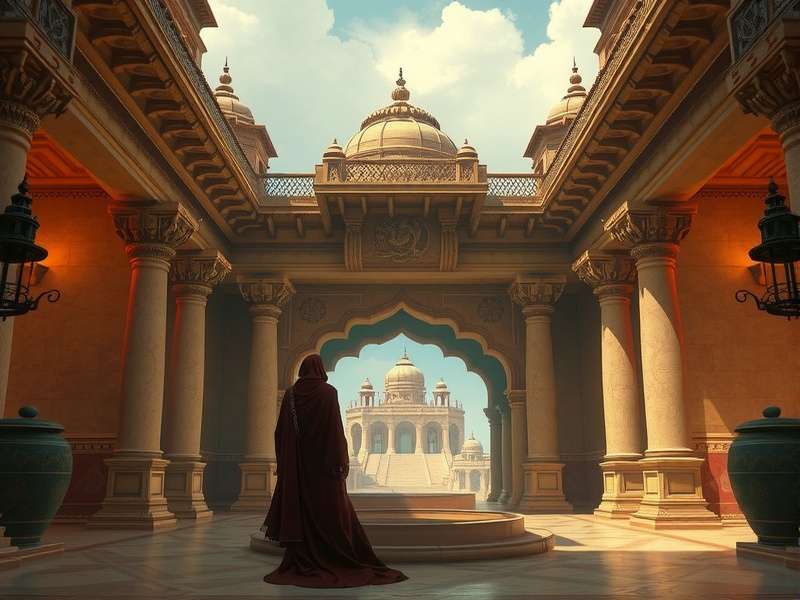
The game begins in the fictional “Varma Mahal,” located in the hills of Rajasthan. Arjun Varma is training with his mentor, Guru Raghav, when the mahal is attacked by a group of mercenaries led by Raja Suraj Singh—a power-hungry nobleman who seeks the Jewels of Bharat to fulfill a dark prophecy. Despite Arjun’s best efforts, the mercenaries manage to steal four of the five jewels, leaving only the “Ruby of Dharma” in his possession.
Guru Raghav, mortally wounded in the attack, reveals to Arjun that the Jewels of Bharat were forged by the gods to protect India from evil. Each jewel represents a core value: Dharma (duty), Artha (prosperity), Kama (pleasure), Moksha (liberation), and Satya (truth). If all five jewels fall into the wrong hands, a great darkness will descend upon the land.
With his dying breath, Guru Raghav tasks Arjun with retrieving the stolen jewels and stopping Raja Suraj Singh. He also reveals that Arjun is not just a guardian—he is a descendant of Krishna, and thus possesses the power to wield the jewels’ full potential. Armed with the Ruby of Dharma and his father’s talwar, Arjun sets out on his quest.
Act 2: The Journey Across India
Arjun’s journey takes him across India, as he tracks down the stolen jewels. Each jewel is hidden in a different region, guarded by Raja Suraj Singh’s allies and mythical creatures.
- The Emerald of Artha: Hidden in the “Golden Fort” of Punjab, guarded by a group of corrupt Sikh warriors. Arjun must earn the trust of a local village by helping them defend against bandits, who then guide him to the fort’s secret entrance.
- The Sapphire of Kama: Located in the “Palace of Love” in Uttar Pradesh, a mahal famous for its romantic architecture and gardens. The jewel is guarded by a naga (snake goddess) who tests Arjun’s purity of heart. To pass the test, Arjun must resist the temptation of illusions created by the naga.
- The Diamond of Moksha: Hidden in a cave in the Himalayas, guarded by a yeti (abominable snowman) and a group of Buddhist monks. The monks challenge Arjun to a series of philosophical debates about the meaning of moksha (liberation), and only when he demonstrates true wisdom does the yeti allow him to take the jewel.
- The Pearl of Satya: Held in the “Fort of Truth” in Tamil Nadu, guarded by Raja Suraj Singh’s right-hand man, General Zafar Khan. Arjun must engage in a epic battle with General Zafar Khan, who is revealed to be a former friend of Arjun’s father. During the battle, General Zafar Khan confesses that he was forced to work for Raja Suraj Singh after his family was taken hostage. Arjun spares his life, and General Zafar Khan joins his quest.
Along the way, Arjun meets a cast of memorable characters who help him on his journey. These include:
- Meera: A nomadic thief with a knack for lockpicking and stealth. Meera joins Arjun after he saves her from a group of bandits, and she uses her skills to help him infiltrate heavily guarded mahals.
- Pandit Shankar: A wise scholar who possesses extensive knowledge of Indian mythology and history. Pandit Shankar helps Arjun solve puzzles and decode ancient texts that reveal the secrets of the Jewels of Bharat.
- Rani Priya: The queen of a small kingdom in Karnataka, whose husband was killed by Raja Suraj Singh. Rani Priya provides Arjun with troops and supplies, and she joins him in the final battle against Raja Suraj Singh.
Act 3: The Final Showdown
With all five jewels in his possession, Arjun travels to the “Dark Fort”—Raja Suraj Singh’s stronghold, located in the deserts of Gujarat. The fort is built on the site of an ancient temple, where Raja Suraj Singh plans to perform a ritual that will allow him to merge with the jewels and become a god.
Arjun and his allies launch an attack on the Dark Fort, fighting their way through hordes of mercenaries and mythical creatures. Along the way, Arjun learns the truth about Raja Suraj Singh’s motivations: he is a descendant of a rakshasa (demon) who was defeated by Arjun’s ancestors centuries ago. Raja Suraj Singh seeks to avenge his ancestor and plunge India into darkness.
The final battle takes place in the temple at the heart of the Dark Fort. Raja Suraj Singh has already merged with four of the jewels, giving him immense power. Arjun uses the Ruby of Dharma to channel his inner strength, and the two engage in a epic duel that spans the temple’s floors and rooftops. During the battle, Arjun realizes that the true power of the jewels lies not in their individual strength, but in their ability to work together—just like the people of India.
With the help of his allies, Arjun manages to separate Raja Suraj Singh from the jewels. He then uses the combined power of the Jewels of Bharat to banish the rakshasa’s spirit from Raja Suraj Singh’s body, restoring him to his human form. Raja Suraj Singh, overcome with guilt, surrenders and is imprisoned for his crimes.
Epilogue
With the Jewels of Bharat back in safe hands, Arjun returns to Varma Mahal. He is crowned the “Guardian of Bharat” by the leaders of India’s various kingdoms, and he pledges to continue protecting the jewels and upholding the values they represent. The game ends with a scene of Arjun standing atop Varma Mahal, watching as the sun rises over India—a symbol of hope and new beginnings.
A post-credits scene hints at a sequel, showing a shadowy figure stealing a fragment of one of the jewels and escaping into the night. The figure mutters, “The balance will be broken… and this time, no one will stop me.”
Characters
Mahal Marauder Master’s characters are more than just avatars—they’re fully realized individuals with rich backstories, distinct personalities, and deep ties to Indian culture. Each character is inspired by real-life historical figures, mythological heroes, and folk legends, making them relatable to desi players.
Protagonist: Arjun Varma
Arjun Varma is the game’s main protagonist—a 25-year-old Rajput warrior with a strong sense of duty and honor. He is tall, with a muscular build, and has a scar across his left cheek (earned during his first battle). Arjun’s appearance is inspired by Rajput royalty—he wears a saffron turban, a silk kurta, and leather armor adorned with silver studs. His weapon of choice is a talwar that once belonged to his father, which he carries with him at all times.
Arjun’s backstory is tragic yet inspiring. He was orphaned at a young age when his parents were killed by bandits, and he was raised by Guru Raghav, who trained him in the ways of the warrior and the guardian. Arjun is driven by a desire to honor his parents’ memory and fulfill his duty as a guardian. He is kind-hearted and compassionate, often going out of his way to help those in need—even if it means delaying his quest.
Arjun’s personality is a mix of courage and humility. He is brave in battle, but he never boasts about his achievements. He values wisdom over strength, and he often seeks advice from Guru Raghav (even after his death, through flashbacks). Arjun’s character arc throughout the game is about learning to embrace his heritage—he starts off as a young warrior unsure of his place in the world, but by the end of the game, he becomes a confident leader who is ready to protect India.
Allies
Meera
A 22-year-old nomadic thief from Maharashtra, Meera is witty, resourceful, and quick on her feet. She became a thief to support her younger siblings after her parents died in a drought. Meera is skilled at lockpicking, stealth, and pickpocketing, and she uses these skills to help Arjun infiltrate mahals. Her weapon of choice is a khukuri (Gurkha knife) that she stole from a mercenary. Meera’s personality is sarcastic yet loyal—she initially joins Arjun for the money, but she soon grows to care about him and his mission. She provides much-needed comic relief in the game, with her sharp one-liners and playful banter.
Pandit Shankar
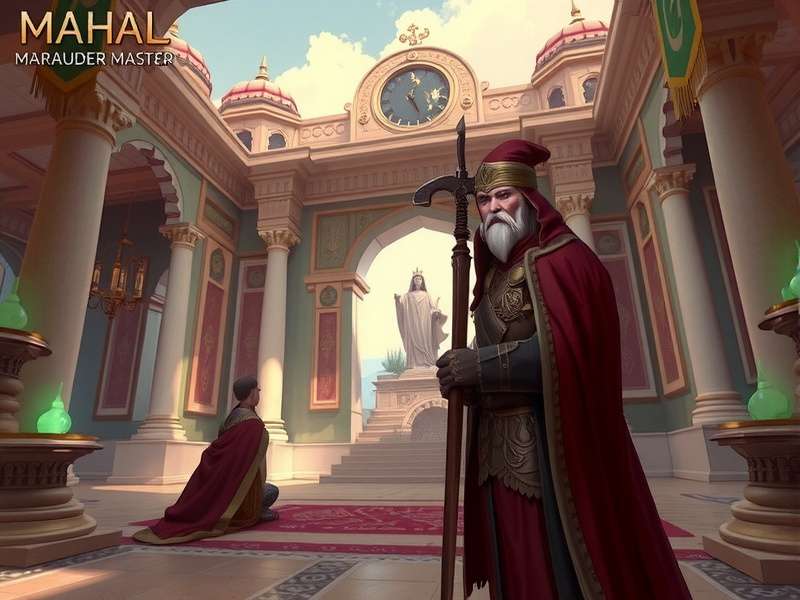
A 60-year-old scholar from Varanasi, Pandit Shankar is a walking encyclopedia of Indian history and mythology. He has spent his life studying ancient texts and artifacts, and he is one of the few people who knows the true power of the Jewels of Bharat. Pandit Shankar is bald, with a long white beard, and he wears a white dhoti and a shawl. He doesn’t carry any weapons—instead, he uses his knowledge to help Arjun solve puzzles and avoid traps. Pandit Shankar’s personality is calm and wise, and he often shares philosophical insights with Arjun. He serves as a father figure to Arjun, guiding him on his journey and helping him understand his destiny.
Rani Priya
A 30-year-old queen from Karnataka, Rani Priya is a fierce warrior and a wise ruler. She inherited her kingdom after her husband was killed by Raja Suraj Singh, and she has since dedicated her life to protecting her people. Rani Priya is tall and graceful, with long black hair tied in a bun, and she wears a silk saree and a crown adorned with jewels. Her weapon of choice is a bow and arrow, which she uses with deadly accuracy. Rani Priya’s personality is strong-willed and determined—she refuses to back down from a fight, and she is not afraid to stand up to powerful men. She forms a close bond with Arjun, as they both share a desire to protect India. Rani Priya is a role model for female players, showing that women can be both strong and compassionate.
General Zafar Khan
A 40-year-old Mughal general from Uttar Pradesh, General Zafar Khan is a complex character with a tragic backstory. He was once a friend of Arjun’s father, and he served in the Rajput army before being forced to work for Raja Suraj Singh. General Zafar Khan is tall and imposing, with a thick beard, and he wears a Mughal-style coat and a turban. His weapon of choice is a scimitar, which he wields with great skill. General Zafar Khan’s personality is conflicted—he is loyal to his family, but he also feels guilty about working for Raja Suraj Singh. After Arjun spares his life, he joins the quest to atone for his mistakes. General Zafar Khan provides a nuanced portrayal of Mughal-Rajput relations, showing that people from different cultures can work together for a common goal.
Antagonists
Raja Suraj Singh
Raja Suraj Singh is the game’s main antagonist—a 50-year-old Rajput nobleman from Gujarat who is corrupted by power. He is tall and thin, with a pale complexion and piercing eyes, and he wears a black turban and a silk robe adorned with gold. His weapon of choice is a chakra (discus) that he stole from a temple. Raja Suraj Singh’s backstory is rooted in revenge—he is a descendant of a rakshasa who was defeated by Arjun’s ancestors, and he seeks to avenge his ancestor by plunging India into darkness.
Raja Suraj Singh’s personality is arrogant and cruel—he has no regard for human life, and he is willing to do whatever it takes to achieve his goals. He manipulates others to get what he wants, and he uses fear to control his followers. Despite his evil nature, Raja Suraj Singh is a complex character—he genuinely believes that he is doing the right thing, and he sees himself as a savior who will free India from “weak” rulers. His motivation is not just revenge, but also a desire to create a “stronger” India—one that is ruled by fear and power.
Other Antagonists
- Kaal Rakhshas: A powerful demon who is summoned by Raja Suraj Singh to help him retrieve the Jewels of Bharat. Kaal Rakhshas is a towering figure with black skin, red eyes, and sharp claws. He is immune to most weapons, and he can only be defeated by using the power of the Jewels of Bharat. Kaal Rakhshas is inspired by the rakshasas from Indian mythology, and his design incorporates elements of traditional Indian demon imagery.
- Chandni: A female assassin from Bengal who works for Raja Suraj Singh. Chandni is a master of stealth and poison, and she uses her beauty to lure her victims into traps. Her backstory is tragic—she was orphaned at a young age and was trained to be an assassin by a criminal gang. Chandni’s personality is cold and calculating, but she has a soft spot for children. She eventually betrays Raja Suraj Singh after Arjun saves a group of children from her, and she joins the quest to atone for her crimes.
- Maharaja Vikramaditya: A greedy king from Madhya Pradesh who allies with Raja Suraj Singh in exchange for a share of the jewels’ power. Maharaja Vikramaditya is a fat, middle-aged man with a red face and a crown that is too big for his head. He is cowardly and incompetent, and he relies on his army to do his fighting for him. Maharaja Vikramaditya is a comedic antagonist, providing much-needed humor in the game’s darker moments.
NPCs (Non-Playable Characters)
Mahal Marauder Master’s world is populated by a variety of NPCs, each with their own unique personalities and stories. These include:
- Village Elders: Wise old men and women who provide Arjun with quests and information about local folklore.
- Merchants: Traders who sell weapons, armor, and items to Arjun. Many merchants have unique backstories—for example, a merchant from Delhi who sells Mughal-style weapons, or a merchant from Kerala who sells spices and herbs that can be used to heal wounds.
- Artisans: Craftsmen who create unique items for Arjun, such as customized weapons and armor. Artisans can be found in every region, and they specialize in different crafts—for example, a blacksmith from Punjab who forges talwars, or a weaver from Tamil Nadu who makes silk kurtas.
- Children: Young boys and girls who provide Arjun with side quests, such as collecting flowers or chasing away monkeys. Children also share folk tales and songs with Arjun, giving players insight into Indian culture.
What makes Mahal Marauder Master’s NPCs stand out is their authenticity—they speak in regional dialects (with subtitles), wear traditional clothing, and engage in activities that are true to Indian life. For example, NPCs in Rajasthan might be seen herding camels or playing kabaddi, while NPCs in Kerala might be seen fishing or performing kathakali dances. This attention to detail makes the game’s world feel alive and immersive.
Development
The development of Mahal Marauder Master was a four-year journey that involved a team of 50+ developers, historians, archaeologists, and cultural experts. Daman Games, the studio behind the game, was founded in 2018 with a mission to create high-quality desi games that celebrate Indian culture. The studio’s co-founders, Ravi Patel and Priya Sharma, are both avid gamers and history buffs, and they wanted to create a game that would appeal to both Indian and international audiences.
Concept & Research
The idea for Mahal Marauder Master was born in 2019, during a team trip to Jaipur’s Amber Fort. The developers were struck by the fort’s grandeur and the stories of royal valor associated with it, and they began to brainstorm a game that would allow players to explore India’s historical sites. The initial concept was a simple exploration game, but it soon evolved into an action-adventure title with a deep plot and complex gameplay mechanics.
Research was a key part of the development process. The team spent six months traveling across India, visiting historical sites like the Red Fort, Hawa Mahal, Mehrangarh Fort, and Padmanabhaswamy Temple. They also consulted with historians and archaeologists to ensure that the game’s architecture, weapons, and clothing were accurate. For example, the team worked with a historian from the Archaeological Survey of India (ASI) to recreate the layout of the Red Fort, and they consulted with a martial arts expert to design the kalarippayattu moves.
The team also conducted extensive research into Indian mythology and folklore. They read ancient texts like the Mahabharata and the Ramayana, and they interviewed folk artists and storytellers to collect tales that could be incorporated into the game. The goal was to create a plot that felt both familiar and fresh—drawing on elements of Indian mythology while adding original twists.
Technical Development
Mahal Marauder Master was developed using the Unity engine, which was chosen for its flexibility and ability to handle complex graphics. The team faced a number of technical challenges, including recreating historical architecture in 3D, balancing authenticity with gameplay, and optimizing the game for mobile devices.
Recreating historical architecture was one of the biggest challenges. The team used photogrammetry to scan real-life palaces and forts, allowing them to create accurate 3D models. They also used reference photos and blueprints to ensure that every detail—from the carvings on the walls to the design of the windows—was correct. For example, the Hawa Mahal in the game features 953 windows, just like the real-life structure.
Balancing authenticity with gameplay was another challenge. The team wanted the game to be historically accurate, but they also wanted it to be fun and engaging. For example, the team initially designed the combat system to be strictly based on historical kalarippayattu moves, but they soon realized that this was too slow and repetitive for a video game. They ended up adding some fictional elements to the combat system, while still keeping the core mechanics true to kalarippayattu.
Optimizing the game for mobile devices was also a priority. The team worked hard to reduce the game’s file size and improve its performance on low-end devices. They used compression techniques to reduce the size of the 3D models and textures, and they optimized the game’s code to run smoothly on mobile processors. The result is a game that looks stunning on high-end devices, while still being playable on budget phones.
Sound & Music
Sound and music play a crucial role in Mahal Marauder Master, helping to create an immersive experience that transports players to ancient India. The game’s soundtrack was composed by A.R. Rahman’s protégé, Ankit Tiwari, who used traditional Indian instruments like the sitar, tabla, and sarod to create a score that blends classical and modern elements.
The soundtrack features a variety of tracks, each tailored to a different region and mood. For example, the Rajasthan levels feature upbeat tracks with folk instruments like the dholak and shehnai, while the Himalayas levels feature serene tracks with the flute and sarangi. The game’s main theme, “Warrior of Bharat,” is a powerful track that combines orchestral music with Indian vocals, and it has become a fan favorite.
The sound design is equally impressive. The game features realistic sound effects for weapons, animals, and environmental elements. For example, the sound of a talwar clashing with a shield is based on recordings of real historical weapons, and the sound of a camel’s hooves is based on recordings of camels in Rajasthan. The game also includes voice acting in multiple Indian languages, with actors from across the country providing voices for the characters. The voice acting is top-notch, with actors bringing the characters to life with emotion and authenticity.
Testing & Feedback
Testing was a key part of the development process, with the team conducting extensive playtests with gamers from across India. The playtests were held in major cities like Delhi, Mumbai, Bangalore, and Chennai, and they included players of all ages and skill levels. The team collected feedback on everything from the gameplay mechanics to the story and characters, and they used this feedback to make improvements to the game.
One of the most common pieces of feedback during the playtests was that the puzzles were too difficult for casual gamers. The team responded by adding hint systems and adjusting the difficulty of some puzzles. Another common piece of feedback was that the game’s controls were too complex on mobile devices. The team simplified the controls and added customization options, allowing players to adjust the buttons to suit their preferences.
The team also conducted beta tests with a select group of players, who had access to a pre-release version of the game. The beta testers provided detailed feedback on the game’s performance, bugs, and glitches, and the team used this feedback to fix issues before the game’s official release. The beta tests were a huge success, with over 100,000 players signing up to participate.
Release Preparation
Preparing for the game’s release was a massive undertaking. The team launched a marketing campaign that focused on celebrating Indian culture, with ads featuring the game’s historical settings and traditional weapons. The campaign included social media posts, YouTube videos, and billboards in major cities. The team also partnered with desi influencers and gaming YouTubers, who played the game and shared their thoughts with their followers.
The game was released on 15th August 2023, to coincide with India’s Independence Day. The release was marked by a launch event in Delhi, which was attended by the game’s developers, historians, and celebrities. The event featured live performances of the game’s soundtrack, a display of historical weapons, and a cosplay contest where fans dressed up as their favorite characters.
The team also worked with app stores to ensure that the game was prominently featured. The game was featured on the front page of the Google Play Store and the Apple App Store in India, and it was also promoted in other countries with large Indian populations, like the United States, the United Kingdom, and Canada.
Reception
Mahal Marauder Master has received widespread acclaim from critics and players alike, with many praising its authenticity, gameplay, and storytelling. The game has been hailed as a “landmark achievement for desi gaming” and a “love letter to Indian culture.”
Critical Reception
Critical reviews of Mahal Marauder Master have been overwhelmingly positive. Indian gaming websites like GamingBolt, Tech2, and NDTV Gadgets gave the game high scores, with GamingBolt calling it “one of the best Indian games ever made.” Critics praised the game’s attention to detail, with Tech2 noting that “every corner of the game’s world feels like a love letter to India’s heritage.”
The game’s gameplay mechanics also received high praise. NDTV Gadgets called the combat system “fast-paced and strategic,” while GamingBolt praised the puzzle design, saying that “the puzzles are challenging but rewarding, and they do a great job of educating players about Indian culture.” The game’s story was also praised, with critics noting that it “weaves together history and mythology in a way that is both engaging and educational.”
Some critics did have minor complaints. For example, some noted that the game’s graphics are not as polished as those of international titles like Assassin’s Creed, while others felt that the multiplayer mode could use more content. However, these complaints were overshadowed by the game’s many strengths.
Mahal Marauder Master has also received recognition from international gaming publications. IGN called the game “a fascinating look at Indian culture,” while GameSpot noted that “it’s refreshing to see a game that celebrates Indian heritage with such passion and authenticity.” The game was also nominated for “Best Mobile Game” at the 2024 Game Awards, making it the first Indian game to be nominated in that category.
Player Feedback
Player feedback has been equally positive, with the game receiving high ratings on app stores. On the Google Play Store, the game has a rating of 4.8 out of 5, based on over 1 million reviews, while on the Apple App Store, it has a rating of 4.7 out of 5, based on over 500,000 reviews.
Players have praised the game’s authenticity, with many noting that it has helped them learn more about Indian history and culture. One player wrote, “I’ve always been interested in Indian history, but this game made me want to learn more. The attention to detail is amazing—every palace, every weapon, every costume feels true to India’s heritage.” Another player wrote, “As a non-Indian, this game has taught me so much about Indian culture. I love how the puzzles and side quests incorporate folk tales and traditions.”
Players have also praised the game’s gameplay, with many noting that it’s “addictive” and “fun to play.” The combat system and puzzle design have been particularly popular, with players saying that they “never get bored” of the game. The game’s multiplayer mode has also been a hit, with players enjoying the ability to team up with friends and compete against other players.
Some players have complained about technical issues, such as lag and crashes, but Daman Games has been quick to address these issues with updates. The studio has released regular updates since the game’s launch, adding new content, fixing bugs, and improving performance.
Sales & Downloads
Mahal Marauder Master has been a commercial success, with over 20 million downloads worldwide as of 2025. The game was the most downloaded Indian game of 2023, and it has been downloaded in over 150 countries. In India, the game has been downloaded over 15 million times, making it one of the most popular mobile games in the country.
The game’s revenue has also been impressive. Mahal Marauder Master is a free-to-play game with in-app purchases, and it has generated over $50 million in revenue since its launch. The most popular in-app purchases are cosmetic items (like customized weapons and armor) and premium currency (which can be used to unlock new content). The game’s success has helped Daman Games become one of the most valuable gaming studios in India, with a valuation of over $100 million.
Awards & Nominations
Mahal Marauder Master has won numerous awards since its launch, including:
- Best Mobile Game at the 2024 Indian Gaming Awards
- Best Story at the 2024 Global Mobile Game Awards
- Best Cultural Representation at the 2024 Games for Change Awards
- Best Indie Game at the 2024 South Asian Games Awards
The game has also been nominated for several international awards, including:
- Best Mobile Game at the 2024 Game Awards
- Best Action-Adventure Game at the 2024 DICE Awards
- Best Narrative at the 2024 Independent Games Festival
These awards and nominations are a testament to the game’s quality and its impact on the gaming industry. They also highlight the growing recognition of desi games on the global stage.
Cultural Impact
Mahal Marauder Master is more than just a game—it’s a cultural phenomenon that has had a significant impact on Indian society. The game has helped promote Indian history and culture among youth, educated players about India’s heritage, and fostered a sense of national pride. It has also paved the way for other desi games, proving that there is a market for high-quality Indian-themed games.
Promoting Indian History & Culture
One of the most significant impacts of Mahal Marauder Master is its ability to promote Indian history and culture among youth. Many young Indians are not familiar with their country’s rich heritage, but the game has made learning about history fun and engaging. The game’s historical settings, traditional weapons, and folk-inspired puzzles have sparked an interest in Indian history among players, with many reporting that they have started reading books and watching documentaries about Indian history after playing the game.
The game has also helped promote Indian folk art and traditions. For example, the “Rangoli Challenge” puzzle has introduced many players to the art of rangoli, while the game’s soundtrack has popularized traditional Indian music. The game’s characters, who wear traditional clothing and speak in regional dialects, have also helped promote Indian cultural diversity.
Daman Games has capitalized on this by launching a “Mahal Marauder Master Cultural Initiative,” which partners with museums and cultural organizations to promote Indian heritage. The initiative includes virtual tours of historical sites, workshops on traditional crafts, and educational materials for schools. The initiative has been a huge success, with over 500,000 students participating in the workshops.